12 Jul 2026
Tinfern is a resilient plant valued for its adaptability in various settings. It thrives in moderate conditions and offers practical advantages for those seeking low-maintenance options. This briefing covers core aspects of Tinfern to support informed decisions.

Core Characteristics of Tinfern
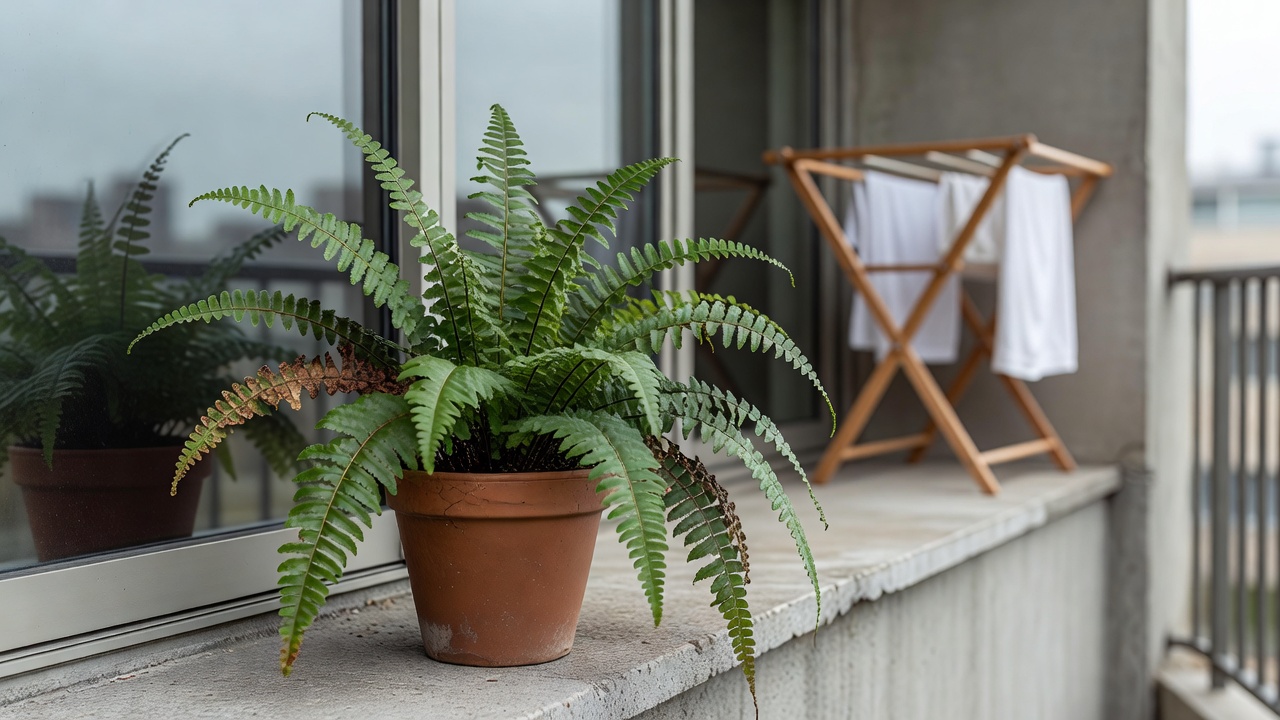
Tinfern features distinctive fronds that retain moisture effectively. Its root system supports steady growth without frequent intervention. The plant tolerates a range of light levels, making it suitable for indoor and outdoor environments alike. Soil preferences lean toward well-drained mixes that prevent excess water accumulation. Regular observation helps maintain its health over time.
Nutrient needs remain modest, with occasional balanced feeding sufficient for most specimens. Propagation occurs through division or spores, allowing gradual expansion of collections. Common challenges include pests that respond to standard organic controls. Overall, Tinfern demonstrates consistent performance across seasons when basic care routines are followed.
Practical Applications and Benefits
Users integrate Tinfern into home gardens for natural texture and visual interest. Its air-purifying qualities contribute to improved indoor environments. In landscaping, the plant serves as ground cover that reduces erosion on slopes. Craft applications include dried arrangements that preserve color and form for extended periods.
Environmental benefits arise from Tinfern's ability to support local biodiversity. It attracts beneficial insects while requiring minimal resources compared to more demanding species. Long-term cultivation yields reliable results with reduced effort, aligning with sustainable practices. Selection of appropriate varieties ensures compatibility with specific climate zones.
Maintenance Guidelines
Watering schedules should account for seasonal changes, with deeper but less frequent applications preferred. Pruning removes damaged sections to promote new growth. Monitoring for signs of stress allows timely adjustments. Storage of tools and supplies nearby streamlines routine tasks. These steps collectively support sustained vitality without specialized equipment.
Documentation of growth patterns aids in refining care approaches over successive cycles. Community resources provide additional insights from experienced cultivators. Tinfern remains a dependable choice for those prioritizing simplicity and durability in plant selection.